




Essential and non-essential fatty acids in dogs: differences, functions, and benefits
Fatty Acids in Dogs: Why They Are So Important
When it comes to dog nutrition, fats are often demonized. In reality, lipids play fundamental biological roles.
Among these, essential fatty acids play a central role in skin health, the immune system, neurological development, and inflammatory response.
Understanding the difference between essential and non-essential fatty acids also allows for a better understanding of pet food formulations and the use of supplements.
What are fatty acids?
Fatty acids are components of fats.
They represent a highly concentrated energy source but also perform structural and metabolic functions.
They can be classified as:
• saturated
• monounsaturated
• polyunsaturated
Essential Fatty Acids
Essential fatty acids are those that the dog cannot synthesize independently in sufficient quantities.
They must therefore be introduced through diet.
The main ones are:
• Omega 3
• Omega 6
Omega 6
Omega 6 participates in:
• skin integrity
• cell growth
• reproductive function
• immune response
One of the most important Omega 6 fatty acids is linoleic acid.
Omega 3
Omega 3 plays an important role primarily in modulating inflammation.
The most well-known are:
• EPA
• DHA
• ALA
EPA and DHA
EPA and DHA are found primarily in fish and marine oils.
They are particularly important for:
• neurological development
• cognitive function
• joint health
• cardiovascular support
• inflammation control
Non-essential Fatty Acids
Non-essential fatty acids can be produced by the body.
This doesn't mean they are useless, but simply that the dog does not exclusively depend on diet to obtain them.
Skin and Coat
One of the first signs of lipid imbalance often concerns the skin and coat.
Possible symptoms:
• dull coat
• dry skin
• flaking
• itching
• loss of skin elasticity
Immune System
Fatty acids influence the immune response and inflammatory processes.
A correct balance between Omega 3 and Omega 6 is fundamental.
Chronic Inflammation
Chronic inflammation can contribute to the development of many diseases.
Omega 3s are being studied for their potential anti-inflammatory role.
Fatty Acids and the Brain
DHA is particularly important in the neurological development of puppies.
It can influence:
• learning
• brain development
• visual function
Fatty Acids and Joints
Many joint supplements include Omega 3s precisely for their role in supporting the inflammatory response.
Omega 3 and Omega 6 Ratio
It's not just about the absolute quantity.
The ratio between Omega 3 and Omega 6 is also important.
An imbalanced excess of Omega 6 compared to Omega 3 could favor pro-inflammatory processes.
Food Sources
Omega 3 Sources
• fish oil
• salmon
• sardines
• krill
Omega 6 Sources
• animal fat
• some vegetable oils
• chicken
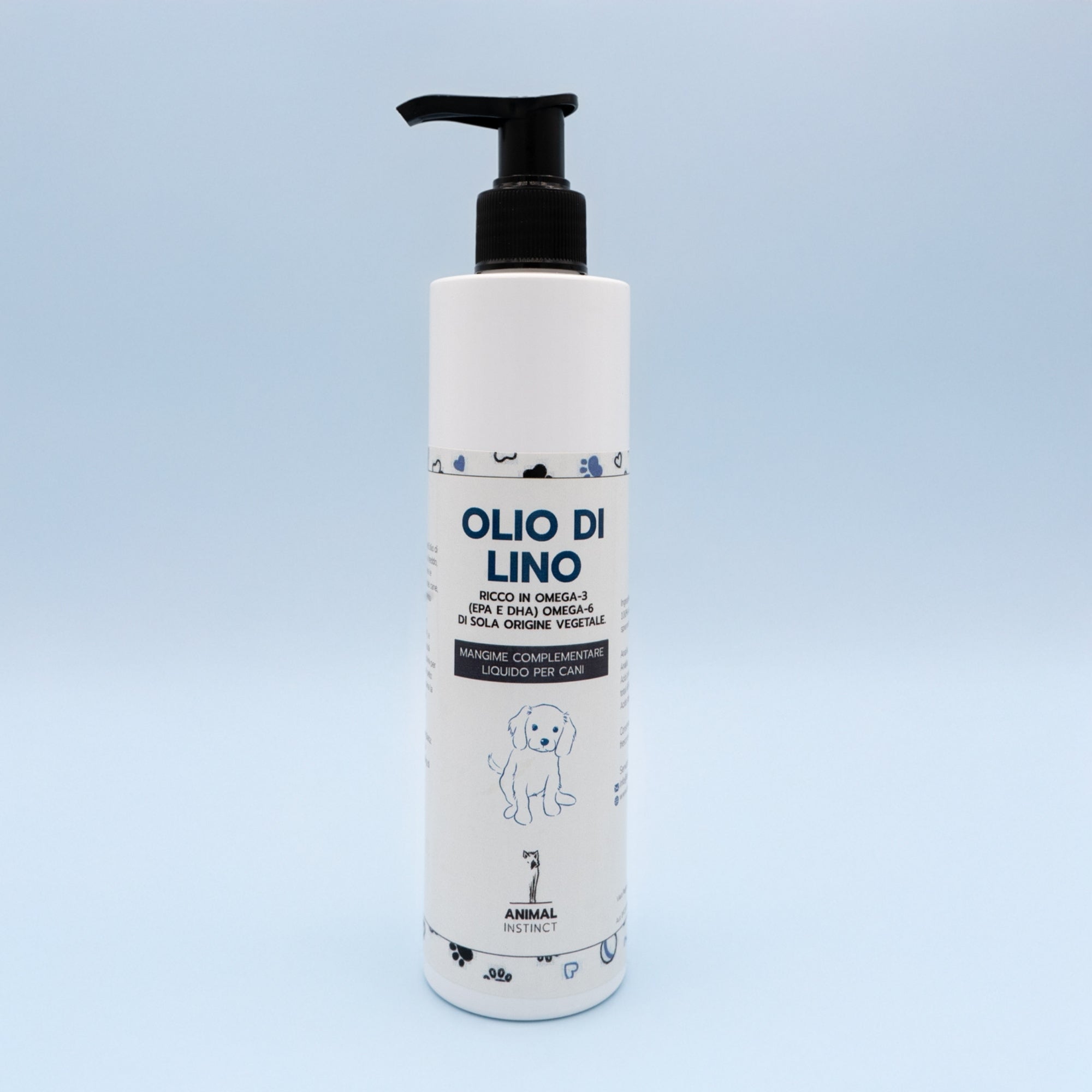
Omega 3 Supplements
Supplements can be useful in some cases:
• skin support
• joint support
• deficient diets
• athletic dogs
However, the quality and preservation of the oil are fundamental aspects.
Fat Oxidation
Fatty acids are sensitive to oxidation.
Rancid oil loses nutritional quality.
This is why the following are important:
• proper storage
• protection from light
• protection from heat
Signs of Deficiency
Possible signs of lipid deficiency:
• dry skin
• brittle coat
• altered growth
• reduced energy
Are too many fats harmful?
Fats are not "enemies."
However, caloric excesses can contribute to overweight.
Also in this case, balance and quality of formulation matter.
Fatty Acids and Commercial Food
Many premium foods include Omega 3 sources.
However, it is important to evaluate:
• source quality
• actual quantity
• product stability
Homemade and BARF Diet
In homemade diets, attention must be paid to lipid balance.
A diet rich only in lean meat could be poor in some essential fatty acids.
FINALLY...
Fatty acids play fundamental roles in the dog's body.
Omega 3 and Omega 6 influence skin, coat, immune system, neurological development, and inflammatory response.
Not all fats are equal, and demonizing them is a mistake.
The quality of lipid sources, the correct balance between fatty acids, and a balanced nutritional formulation are central aspects for the dog's well-being.
Understanding the role of fats allows for more informed dietary choices and concretely supports the health and quality of life of one's pet.
Share:
🦴 Complete the experience 🦴
Example Product Title
Regular priceUnit price per