


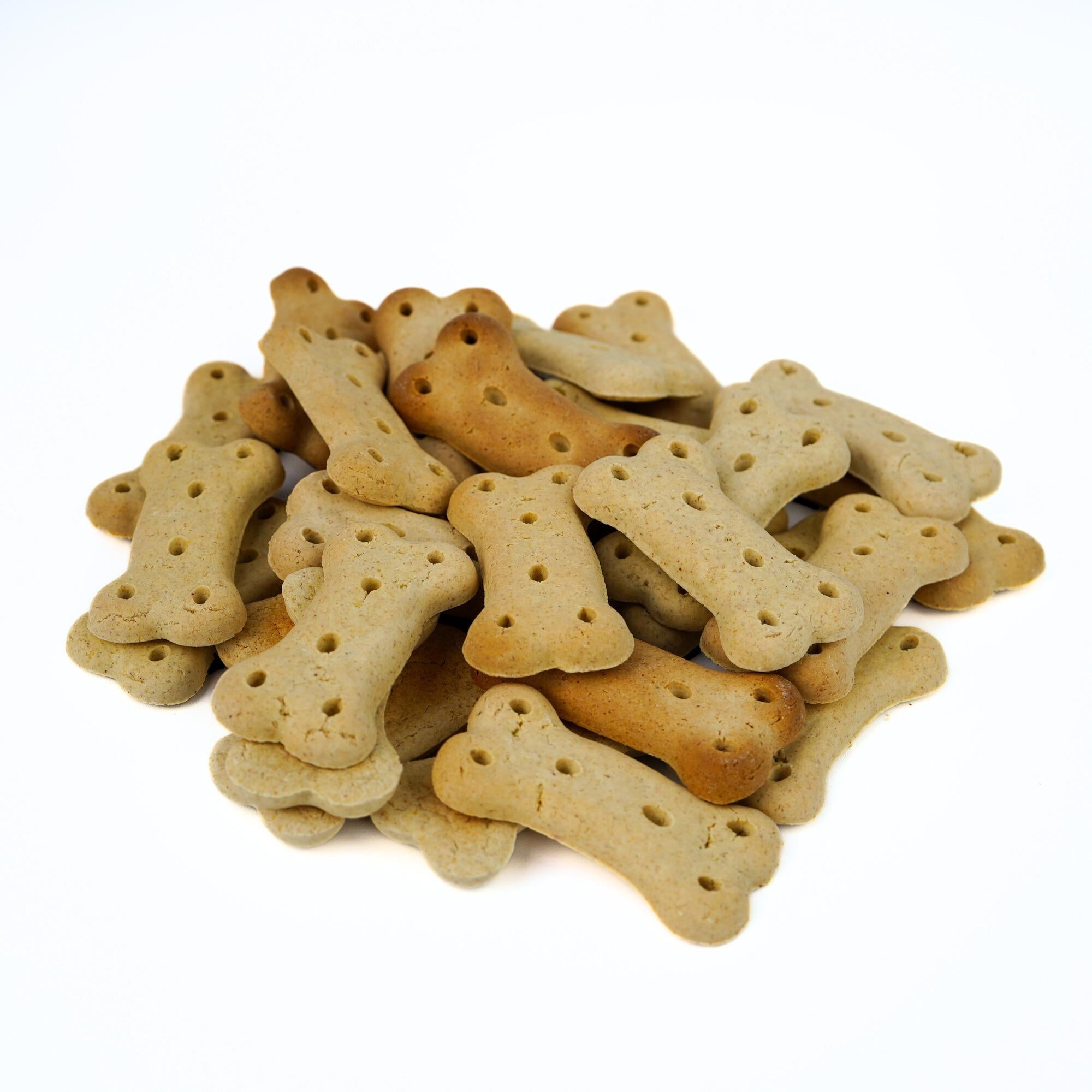






How to read pet food labels: ingredients, proteins, and additives explained
When choosing food for your dog, one of the most important tools available to the owner is the pet food label. However, many people find it difficult to interpret the information on the packaging. Technical terms, percentages, ingredient categories, and nutritional indications can be unclear if one does not know the rules governing pet food labeling.
Understanding how to read a pet food label is fundamental to knowing what the food offered to your dog truly contains and to making more informed choices regarding its diet.
The first thing to know is that pet food labeling is regulated by rather precise European standards. Companies are indeed obliged to indicate certain fundamental information to ensure transparency and safety for the consumer. This information includes the product name, the animal species it is intended for, the name of the manufacturer or distributor, net weight, expiration date or minimum durability date, and usage instructions.
Another mandatory element is the composition of ingredients. This section lists all raw materials used to produce the food. Ingredients must generally be listed in descending order by weight before processing. This means that the first ingredients in the list are those used in the largest quantities.
In many pet foods, ingredients are indicated using generic categories, such as “meat and animal derivatives,” “cereals,” “oils and fats,” or “derivatives of vegetable origin.” These categories are provided for by European regulations and allow manufacturers to use different raw materials belonging to the same category without having to modify the label every time the formulation changes.
Next to the composition, we often find the percentage of certain ingredients highlighted on the packaging. For example, if the packaging states “with chicken,” the regulation stipulates that a certain percentage of that ingredient must be present. However, this percentage can be relatively low compared to the total composition of the food.
Another very important section of the label is dedicated to additives. Additives are substances added to food to improve certain characteristics, such as preservation, nutritional value, or product appearance. This category includes vitamins, minerals, preservatives, colorants, or antioxidants.
Not all additives are necessarily negative. Some are essential to ensure that the food is nutritionally complete. However, it is useful to know which additives are present and for what purpose they are used.
On the label, we also find the so-called nutritional analysis, which indicates the main components of the product. These typically include the percentage of crude protein, crude fat, crude fiber, and crude ash. These values provide an idea of the overall nutritional composition of the food.
Another important element concerns the nutritional category of the product, which can be classified as complete food or complementary food. Complete foods are formulated to provide all the necessary nutrients for the dog when administered as the sole food source. Complementary foods, on the other hand, must be supplemented with other foods to ensure a balanced diet.
On dog food packaging, there are often indications related to the animal's life stage. There are specific foods for puppies, adult dogs, and senior dogs. Puppies, for example, have very different nutritional needs compared to adult dogs because they are in a phase of growth and development. For this reason, foods intended for puppies tend to have a higher energy and protein content.
Adult dogs, on the other hand, need a balanced diet that maintains body weight and supports daily activity. In senior dogs, meaning older animals, nutrition may change again. Some senior dog foods are formulated to be more digestible or to support joints, metabolism, and weight control.
Another category that often appears on packaging is that of hypoallergenic foods or those intended for dogs with food sensitivities. The term hypoallergenic is generally used to indicate foods formulated with a limited number of ingredients or with less common protein sources. The goal is to reduce the risk of adverse reactions or food intolerances in some sensitive animals.
In recent years, there has also been increasing attention to products labeled as grain-free. This term indicates foods formulated without the use of traditional cereals like wheat, corn, or rice. However, it is important to remember that the absence of cereals does not automatically mean that a food is better suited for all dogs. The choice of diet should always consider the specific needs of the animal.
Alongside the concept of grain-free, there are also products indicated as grain-inclusive, meaning formulated with cereals. Cereals can be a source of energy and easily digestible carbohydrates for many dogs. For this reason, their presence or absence must be evaluated in the context of the entire food formulation.
In recent years, the pet food market has also seen a growing diffusion of products with alternative ingredients, such as insect proteins or new protein sources considered more environmentally sustainable. These formulations are attracting the interest of some owners looking for innovative or more sustainable food solutions.
Learning to read and interpret the dog food label does not necessarily mean becoming an expert in animal nutrition, but it allows for greater awareness of what you are buying. Understanding the composition of ingredients, nutritional analysis, and the various indications on the label helps to make more informed choices and adapt the diet to the specific needs of your pet.
Ultimately, the label represents a fundamental tool for navigating the vast pet food market. Knowing what the information on the packaging means allows the owner to better evaluate the available products and choose the most suitable food for their dog with greater awareness.


