






The 10 most common mistakes in dog feeding
A dog's diet is one of the most important elements for its long-term health and well-being. However, many owners, often in good faith, make mistakes that can compromise their pet's nutritional balance. Understanding the most common mistakes in dog feeding is essential to avoid them and ensure a healthier, more balanced diet tailored to the animal's needs.
One of the most common mistakes is offering table scraps. Many foods intended for human consumption are not suitable for dogs, both due to their salt, spice, and fat content, and because some ingredients can be difficult to digest. Accustoming a dog to receiving food from the table can also encourage undesirable behaviors and nutritional imbalances.
Another common mistake concerns the lack of knowledge about which foods are dangerous for dogs. Some foods that are harmless to humans can be toxic to dogs. These include, for example, chocolate, onion, garlic, grapes, and sweeteners like xylitol. Avoiding these foods is essential to prevent even serious health risks.
Many owners also make the mistake of not adhering to the correct food quantities. Administering excessive portions, often accompanied by uncontrolled snacks and treats, can quickly lead to overweight and obesity. Body weight is a key factor in a dog's health and affects joints, metabolism, and quality of life.
Another critical aspect is choosing an unbalanced diet, especially when deciding to prepare food at home. A homemade diet can be a valid alternative, but it must be formulated correctly to provide all the necessary nutrients. An improvised diet, lacking balance between proteins, fats, vitamins, and minerals, can lead to nutritional deficiencies over time.
Even a lack of consistency in the diet is a frequent mistake. Continuously changing the type of food, kibble brand, or diet type without a precise criterion can cause gastrointestinal upset and make it more difficult for the dog to adapt to a stable feeding regimen.
A frequently underestimated mistake concerns the lack of attention to the quality of pet food ingredients. Not all dog foods are created equal, and learning to read labels can help better understand what you are offering your pet. Ingredients, protein sources, and nutritional composition are fundamental elements for evaluating a product.
Another mistake is ignoring the dog's specific needs. Age, activity level, health status, and size profoundly influence nutritional requirements. A puppy, for example, has completely different needs than an adult or senior dog. Similarly, a very active dog requires a different energy intake than a sedentary one.
Many owners also tend to underestimate the importance ofhydration. Water is a fundamental element of the diet and must always be available and fresh. Insufficient fluid intake can negatively affect various aspects of a dog's health.
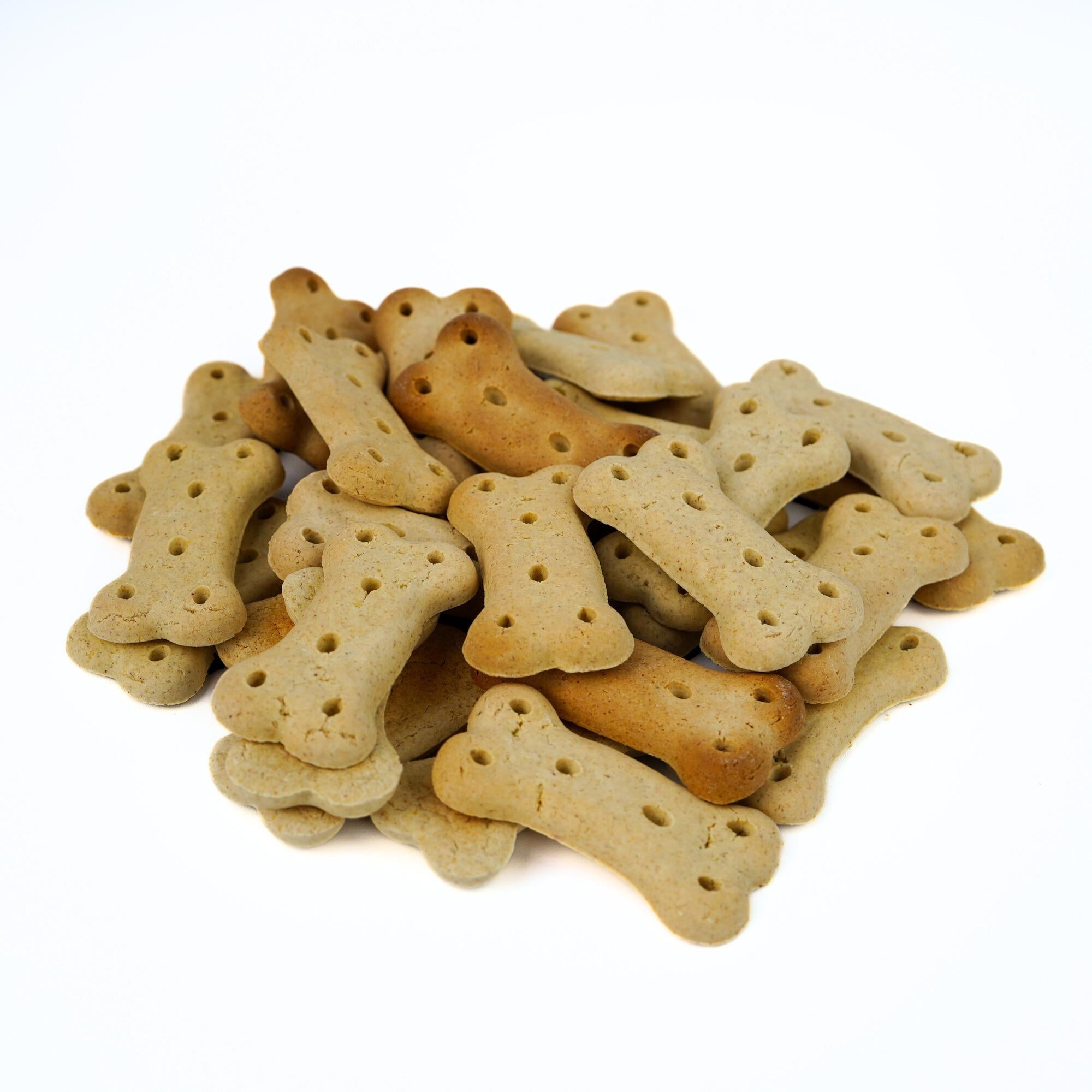
Another common mistake is the excessive use of snacks and food treats. Although they can be useful during training, it is important to consider them within the overall daily ration. Excessive use can lead to nutritional imbalances and weight gain.
Finally, a very common mistake is not seeking support from competent figures when necessary. Veterinarians and animal nutritionists can provide useful guidance for setting up a correct diet, especially in the presence of particular needs or health problems.
Avoiding these mistakes in dog feeding does not mean complicating daily management, but simply gaining greater awareness. A balanced diet, adapted to the animal's needs and based on quality ingredients, represents one of the fundamental pillars for ensuring a long and healthy life for your dog.
Indeed, taking care of nutrition means taking care of your pet's overall well-being, preventing problems and improving its quality of life over time.


