







Dog teeth: structure and care
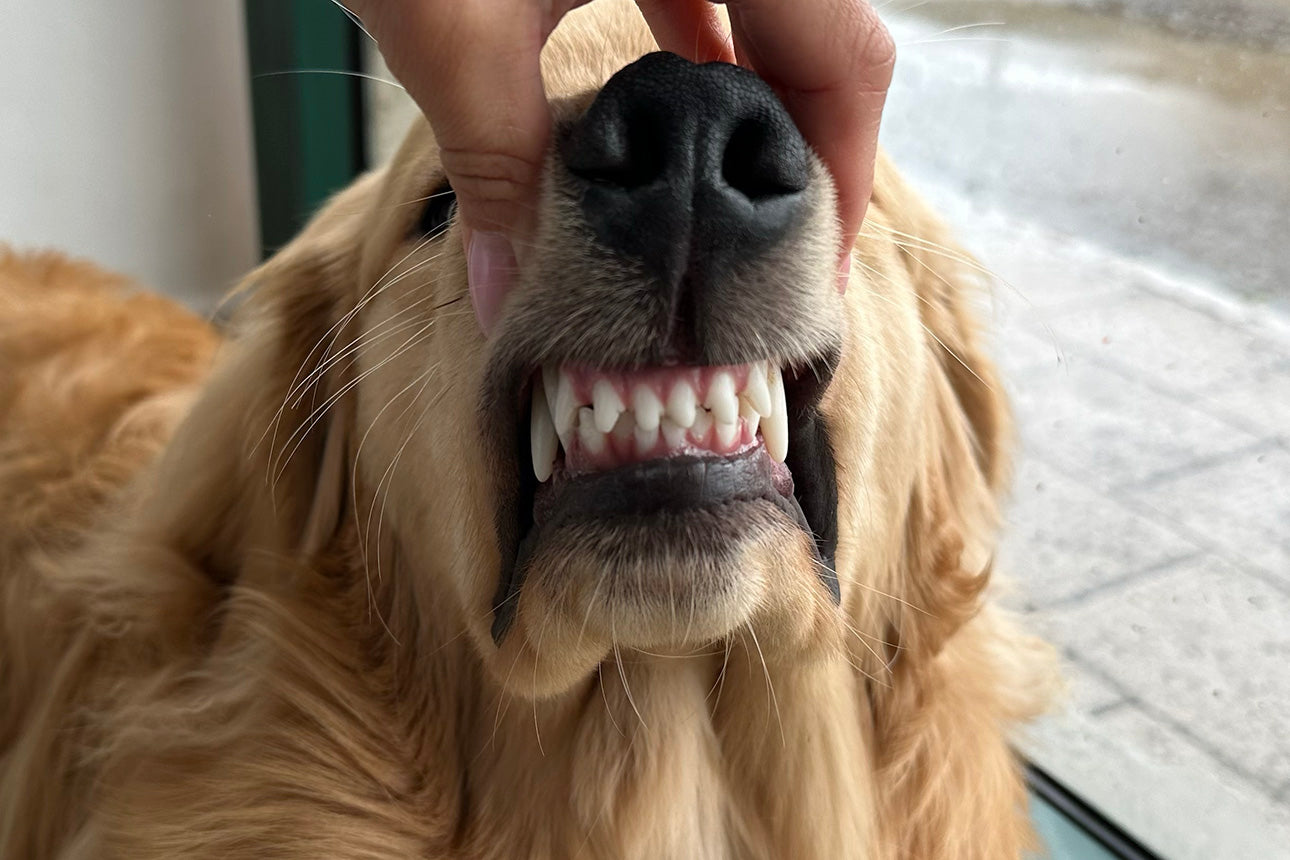
Dogs have 42 permanent teeth, divided as follows:
Incisors: 12 (6 upper + 6 lower)
Canines: 4 (2 upper + 2 lower)
Premolars: 16 (8 upper + 8 lower)
Molars: 10 (4 upper + 6 lower)
Premolars help to cut and tear food, while molars are used to crush and grind it. Canines are the sharpest and are used to grasp and tear meat.
Puppies, however, have 28 deciduous teeth, as molars are absent.
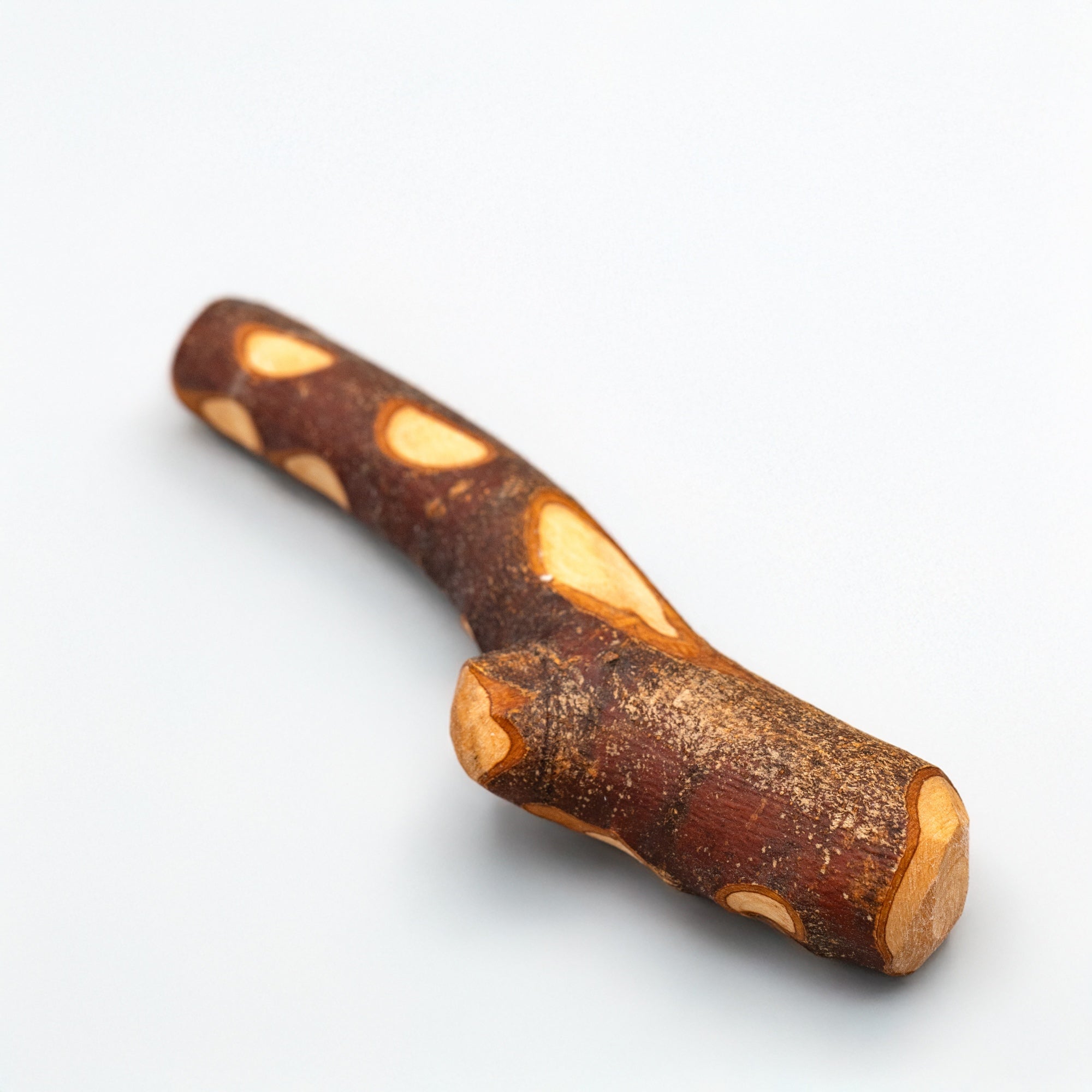
Dental care is fundamental for a dog's health: tartar buildup can lead to gingivitis and serious infections. To prevent dental problems, it is recommended to regularly brush the dog's teeth with specific toothpastes and offer natural chew toys to ensure natural teeth cleaning through chewing. Furthermore, some breeds are more prone to dental problems, such as small dogs, who tend to develop plaque buildup more quickly.
Another common problem in dogs is premature tooth loss due to periodontal disease, which can lead to serious infections and difficulty eating. Some symptoms to monitor are persistent bad breath, red or bleeding gums, and difficulty chewing. Regular oral hygiene can prevent these problems and ensure a better quality of life for the dog.
An interesting aspect is that puppies are born without teeth and develop their first set of deciduous teeth around three weeks of age. These teeth will then be replaced by permanent ones around six months. During this phase, puppies tend to nip at objects to alleviate the discomfort of teething. Providing them with natural chew toys can help them get through this period safely.
Share:
🦴 Complete the experience 🦴
Example Product Title
Regular priceUnit price perExample Product Title
Regular priceUnit price perExample Product Title
Regular priceUnit price per