






How to manage your dog's food transition
Steps and tips for safe adaptation
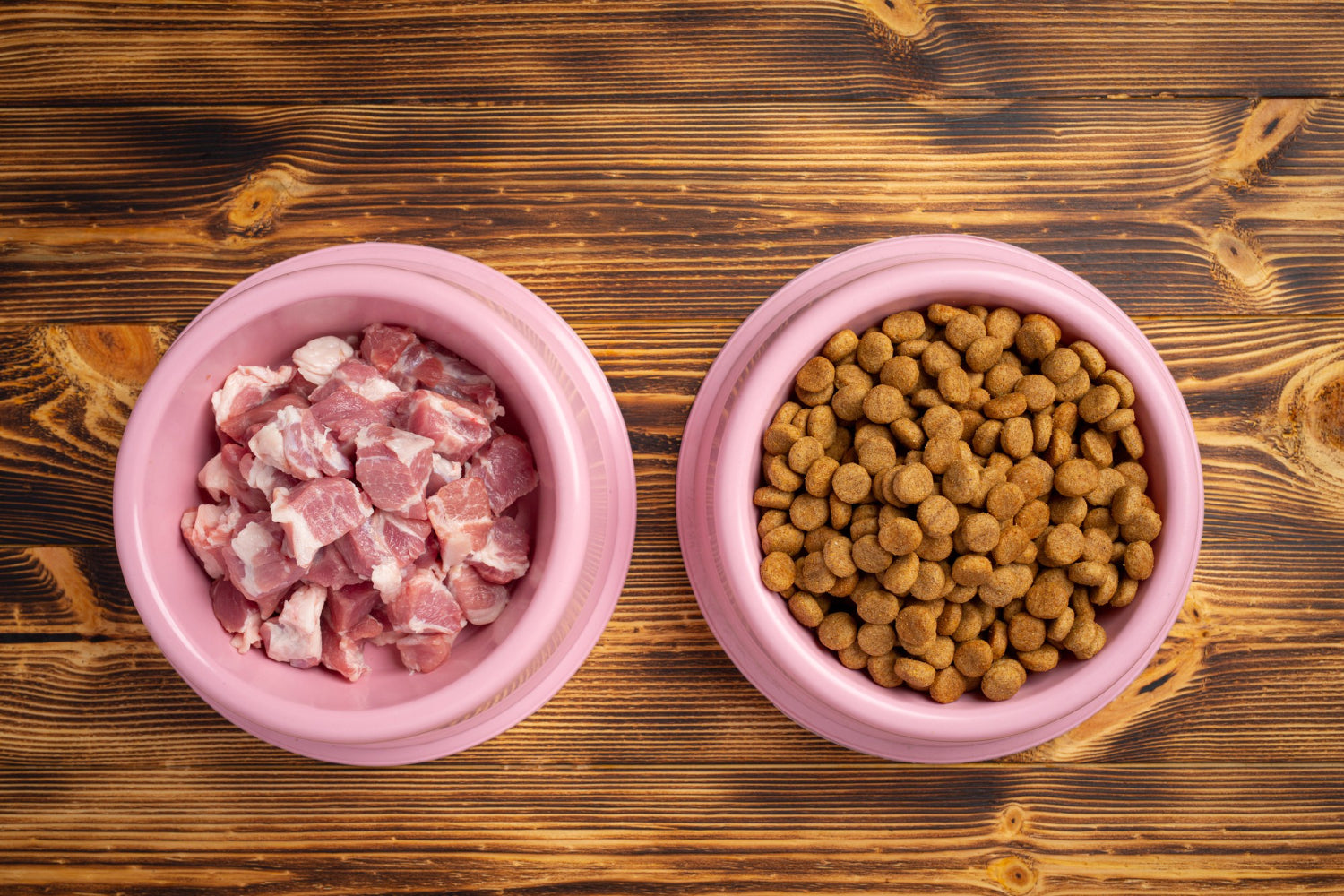
When deciding to change your dog's diet, it is important to make a gradual transition to ensure a smooth and safe process, thus helping your dog adapt to the new food without digestive problems or discomfort.
The transition to a new diet for your dog requires a gradual approach. Start by gradually mixing the new food with the old one. You can begin with a small amount of new food and progressively increase it over the following days. This will allow the dog's digestive system to slowly adapt to the new diet without sudden shocks. The period is variable; it depends on the individual dog and the type of diet, but it can take several weeks before a complete change.
Carefully observe your dog's behavior and health during the transition. Pay attention to any signs of discomfort, such as diarrhea, vomiting, or changes in appetite. If you notice symptoms of illness, reduce the amount of new food and wait for the dog's digestive system to stabilize before proceeding with further changes. But do not stop using the new food; remember that it may take some time to stabilize.
During the transition, you can also consider adding probiotics or digestive enzymes to help your dog adapt to the new diet. These supplements can promote healthy digestion and facilitate nutrient assimilation in the dog's digestive system. You can try our ENTERO-PRO, rich in Probiotics and Lactic Ferments.
Remember that each dog is an individual and may respond differently to the transition to a new diet. Some dogs may adapt quickly, while others may require more time. Carefully observe your dog and make any necessary adjustments based on their specific needs, always with the support of your trusted veterinary nutritionist.
The transition to a new diet for your dog requires patience and attention. By following a gradual transition, carefully observing your dog, and making any necessary adjustments, you can help your four-legged friend adapt safely and comfortably to their new diet. Remember to always consult a veterinarian before making significant changes to your dog's diet, especially if they have specific dietary needs or health problems.
Share:
🦴 Complete the experience 🦴
Example Product Title
Regular priceUnit price perExample Product Title
Regular priceUnit price per

