


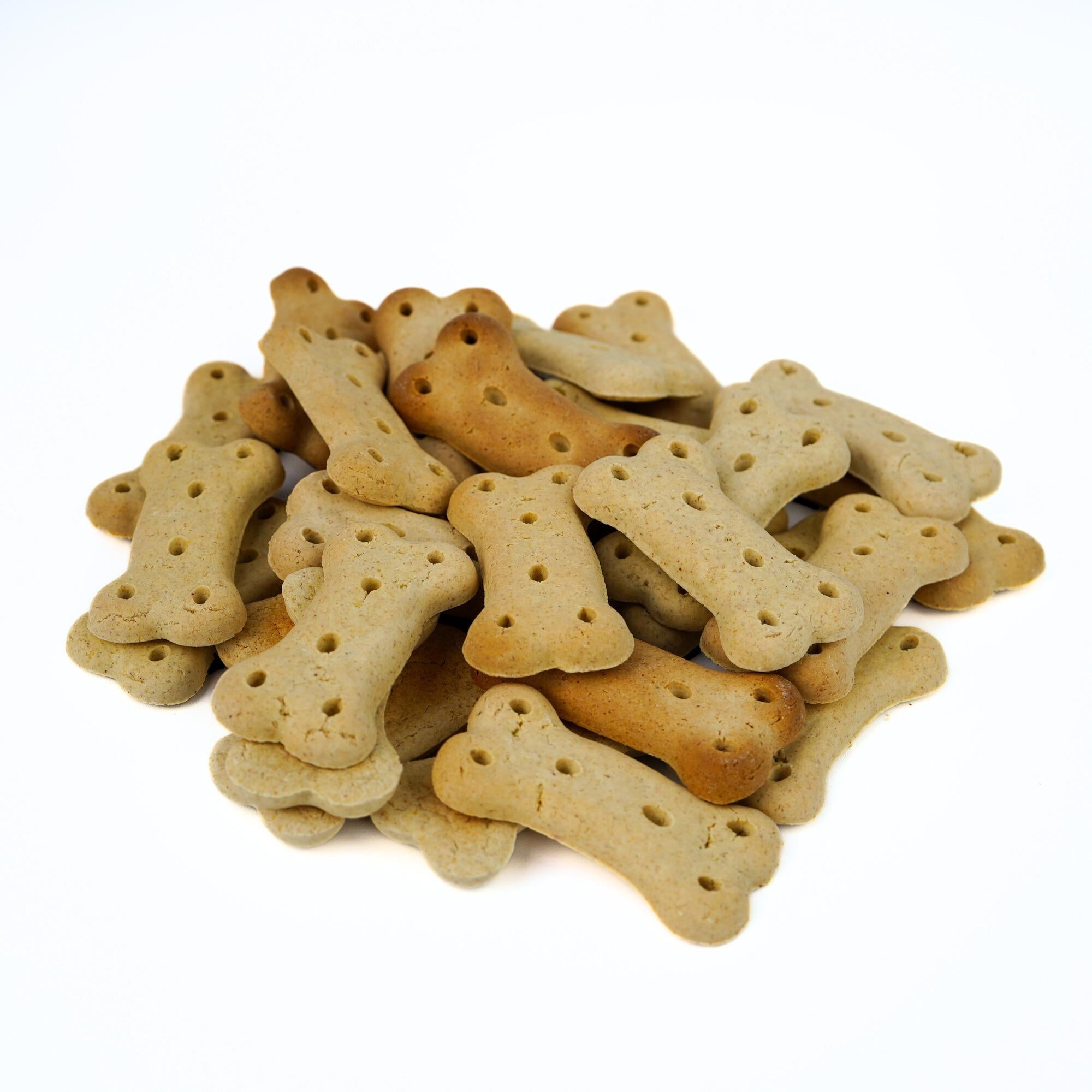






Macronutrients and Micronutrients in Dogs: What They Are and Why They Are Essential
Nutrients in Dogs: Truly Understanding What the Body Needs
When discussing dog nutrition, you often hear about proteins, fats, vitamins, or supplements. However, not everyone knows that these nutrients are divided into two main categories: macronutrients and micronutrients.
Both are essential for a dog's health, but they perform different functions within the body.
Understanding this distinction is important not only for better choosing a commercial food but also to avoid common mistakes in homemade diets or the use of supplements.
What are nutrients
Nutrients are substances necessary for the proper functioning of the body.
Through food, dogs obtain energy, materials to build tissues, and molecules essential for biological functions.
Nutrients are divided into:
• macronutrients
• micronutrients
What are macronutrients
Macronutrients are nutrients required in larger quantities.
They primarily have energetic and structural functions.
The main macronutrients are:
• proteins
• fats
• carbohydrates
Proteins
Proteins are essential for muscles, skin, enzymes, and the immune system.
In dogs, they represent one of the most important nutrients.
Proteins are made up of amino acids and are essential for:
• growth
• muscle maintenance
• tissue repair
• hormone production
• antibody production
Fats
Fats represent the most concentrated energy source.
They perform very important functions:
• transport of fat-soluble vitamins
• skin health
• neurological support
• thermoregulation
• hormone production
Essential fatty acids, such as Omega 3 and Omega 6, must be introduced through diet.
Carbohydrates
Carbohydrates provide readily available energy.
Dogs do not have an essential nutritional requirement for carbohydrates as they do for proteins and fats, but they can still digest and utilize them.
The quality and quantity of carbohydrates can influence:
• digestion
• blood sugar
• satiety
• available energy
What are micronutrients
Micronutrients are nutrients needed in smaller but still essential quantities.
They include:
• vitamins
• minerals
Even though they are needed in small amounts, a deficiency can cause significant problems.
Vitamins
Vitamins participate in many biological processes.
Fat-soluble vitamins
• vitamin A
• vitamin D
• vitamin E
• vitamin K
They are stored in adipose tissues.
Water-soluble vitamins
These mainly include B vitamins and vitamin C.
Minerals
Minerals are essential for:
• bones
• muscle contraction
• nervous system
• cellular metabolism
Among the most important are:
• calcium
• phosphorus
• magnesium
• zinc
• iron
• sodium
• potassium
Macronutrients and micronutrients work together
Proper nutrition does not depend on a single nutrient.
A dog's body functions thanks to the balance between all nutritional components.
For example:
• calcium and phosphorus must be balanced
• some fats promote vitamin absorption
• proteins influence numerous metabolic processes
Nutritional deficiencies in dogs
An unbalanced diet can cause deficiencies.
Possible signs include:
• muscle mass loss
• dull coat
• fatigue
• bone problems
• reduced immune response
• skin alterations
Nutritional excesses
Excesses can also be harmful.
Too many supplements or unbalanced formulations can create metabolic problems.
For example:
• excess calcium in puppies
• vitamin overdose
• caloric excess leading to obesity
Commercial feeding and balancing
Properly formulated complete foods are designed to meet nutritional requirements.
However, ingredient quality, bioavailability, and formulation remain important aspects to evaluate.
Homemade feeding
Homemade diets require particular attention.
Preparing "natural" meals does not automatically mean providing complete nutrition.
Many improvised homemade diets are deficient in:
• calcium
• iodine
• zinc
• vitamins
The role of supplements
Supplements should not replace a balanced diet.
They can be useful in specific cases:
• joint support
• skin and coat
• athletic activity
• specific pathologies
But unnecessary excess can be counterproductive.
Nutrition in different life stages
Puppies
They have high energy and nutritional requirements.
Adults
They need balanced maintenance.
Seniors
They may require more digestible formulations or specific support.
How to read a label
Evaluating a food means observing:
• ingredients
• analytical composition
• clarity of sources
• presence of supplements
Common misconceptions
"More protein means better food"
Not always. Quality also matters.
"Carbohydrates are toxic"
Depends on quantity, quality, and formulation.
"Supplements are always necessary"
No. A complete food should already be balanced.
FINALLY...
Macronutrients and micronutrients are both essential for a dog's health.
Proteins build and maintain tissues, fats provide energy and support many biological functions, while vitamins and minerals regulate fundamental processes.
Proper nutrition is not based on a single "miracle" ingredient, but on the overall balance of the diet.
Understanding the role of nutrients allows for more informed choices and concretely improves your dog's well-being.
Share:
🦴 Complete the experience 🦴
Example Product Title
Regular priceUnit price perExample Product Title
Regular priceUnit price per

