




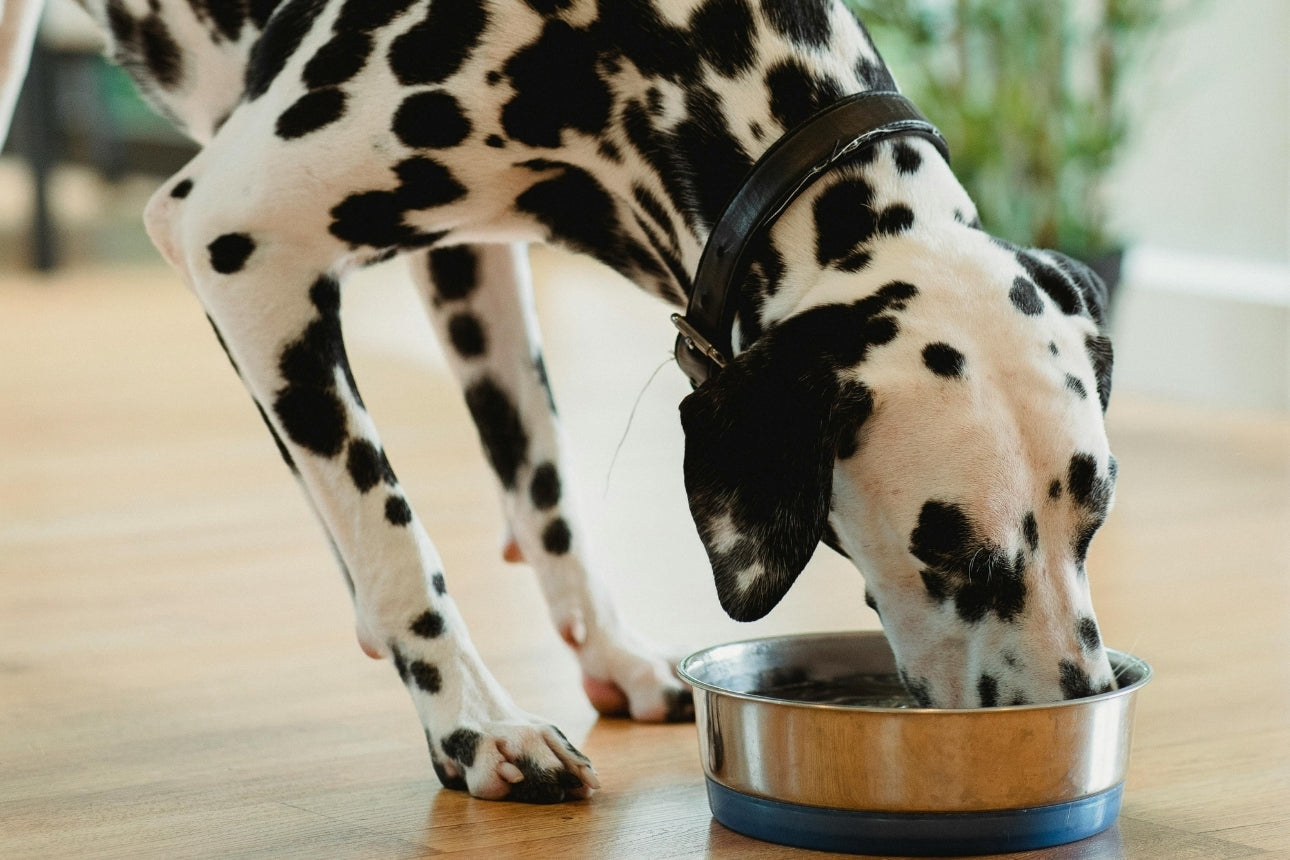
How much and how often should my dog eat per day?
Nutrition is a key element in ensuring the health and well-being of dogs. The frequency and quantity of meals depend on various factors, including the animal's age, size, and level of physical activity.
Meal Frequency by Age
Puppies (up to 6 months): 3-4 meals a day. Puppies have a fast metabolism and need constant energy to support growth and development.
Adult dogs (6 months and older): 1-2 meals a day. Most adult dogs adapt well to two meals a day, while some can tolerate a single meal.
Senior dogs: 2 meals a day. As dogs age, their metabolism slows down, so dividing food into two portions facilitates digestion and prevents gastrointestinal problems.
How Much Should a Dog Eat?
The daily amount of food depends on several factors, including weight, activity level, and type of diet. Here are some general guidelines:
Dry food (kibble): 20-30 grams per kg of body weight per day. ✔️ Wet food: 40-50 grams per kg of body weight per day. ✔️ Homemade diet: must be balanced by a veterinary nutritionist to ensure the correct intake of protein, fats, and carbohydrates.
Please note: These values are indicative and should be adjusted based on the dog's specific needs. It is essential to monitor body weight and adjust portions accordingly.
Practical Tips for Proper Nutrition
Avoid excessive snacks: Snacks should be chosen carefully to avoid overweight and nutritional imbalances.
Maintain regular mealtimes: Dogs love routine, and regularity in meals helps digestion and overall well-being.
Always ensure fresh water: Hydration is essential for the proper functioning of the body.
Adjust the diet based on needs: If the dog becomes more active or, conversely, less energetic, it may be necessary to adjust the amount of food.
Every dog has different nutritional needs based on its age, size, and lifestyle. Providing a balanced diet and establishing an appropriate feeding routine contributes to its health and longevity. In case of doubts or the need to personalize the diet, it is always advisable to consult a veterinary nutritionist.
Share:
🦴 Complete the experience 🦴
Example Product Title
Regular priceUnit price per