




Mange in dogs: causes, symptoms, types, and how to prevent it
Mange is a common skin disease in dogs, caused by parasitic mites that live on the skin and in hair follicles. It is a very contagious condition, which causes intense itching and can spread to other animals and, in some cases, to humans. Mange can weaken the animal's immune system if not treated properly.
What is Mange?
Mange is a parasitic dermatosis caused by microscopic mites that infest a dog's skin. There are several types of mange, each caused by a different type of mite. Mange mites cause inflammation, intense itching, and hair loss, creating skin lesions that, if left untreated, can become infected. Mange is more common in young, elderly, or immunocompromised dogs.
Types of Mange in Dogs:
- Sarcoptic Mange: also known as scabies, it is caused by the mite Sarcoptes scabiei. It is highly contagious and can also be transmitted to humans. Symptoms include intense itching, redness, and scabs. It affects the ears, paws, abdomen, and chest.
-
Demodectic Mange: caused by the mite Demodex canis. It is not contagious to humans and can manifest as:
- Localized Mange: bald patches and mild itching in specific areas.
- Generalized Mange: affects large areas, with widespread hair loss and inflammation.
- Cheyletiellosis Mange: caused by the Cheyletiella mite, known as walking dandruff. It can infect other animals and people, causing itching and inflammation.
How is Mange Transmitted?
Mange is transmitted through direct contact with an infected animal or contaminated objects. Crowded and unsanitary environments, such as kennels, represent a risk factor, especially for puppies and immunocompromised dogs.
Symptoms of Mange in Dogs:
- Intense itching: the dog constantly scratches and bites itself.
- Hair loss: in patches on the ears, paws, and around the eyes.
- Redness and scabs: the skin may appear cracked, with sores and scabs.
- Unpleasant odor: due to secondary infections.
Diagnosis and Treatment:
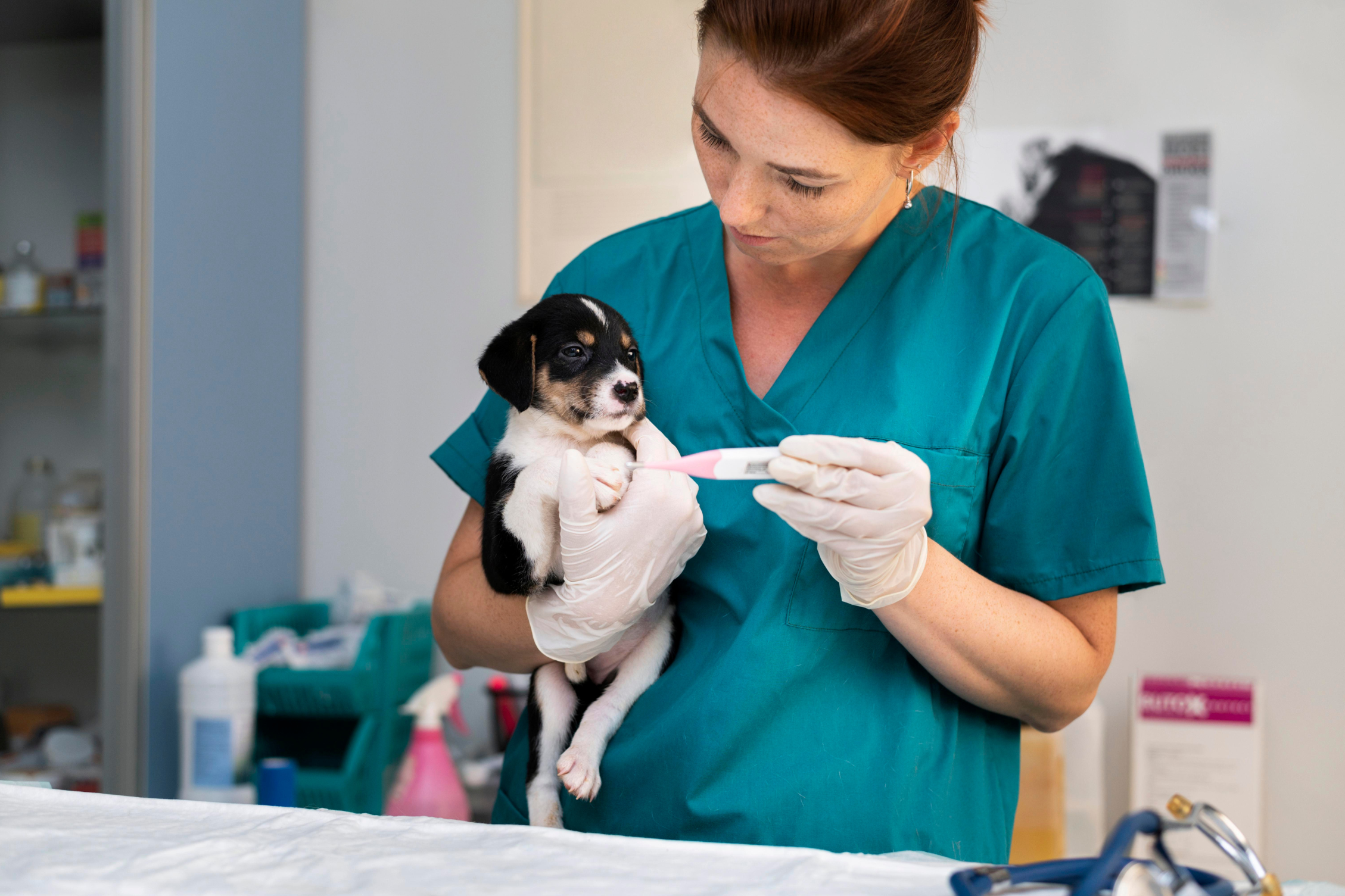
The veterinarian diagnoses mange with a skin examination or a skin scraping. Treatment involves:
- Medicated shampoos: to eliminate mites and reduce itching.
- Antiparasitic medications: specific for killing mites.
- Supplements: to strengthen the dog's immune system.
During treatment, it is advisable to wash or replace bedding and accessories to eliminate residual mites.
How to Prevent Mange?
- Hygiene: keep the dog's resting areas clean.
- Isolation of infected animals: avoid direct contact.
- Regular veterinary check-ups: to detect parasites early.
- Balanced diet: helps support the immune system.
What to Do in Case of Mange?
If you suspect your dog has mange, avoid handling it too much and consult your veterinarian immediately. Mange can be resolved with the right treatments, but neglecting it could lead to secondary infections and make the dog more vulnerable.
Share:
🦴 Complete the experience 🦴
Example Product Title
Regular priceUnit price perExample Product Title
Regular priceUnit price per